
A faucet that leaks, is damaged, or no longer meets your needs may eventually need to be replaced. Faucet replacement is a common residential plumbing task, whether in the kitchen or bathroom.
Although replacing a faucet may seem relatively straightforward, certain steps must be carried out carefully to prevent leaks or problems with the plumbing connections.
Looking to replace a kitchen faucet or a bathroom faucet? Here are the main steps to know before getting started.
Why Replace a Kitchen or Bathroom Faucet?
Several reasons may justify replacing a faucet. A persistent leak, signs of corrosion, a mechanism that is difficult to operate, or simply a desire to update a room may lead you to install a new one.
A new faucet can also be easier to use and better complement the style of your kitchen or bathroom.
Before purchasing a replacement, however, it is important to check the configuration of your sink or basin and the type of faucet currently installed.
Tools You Will Need
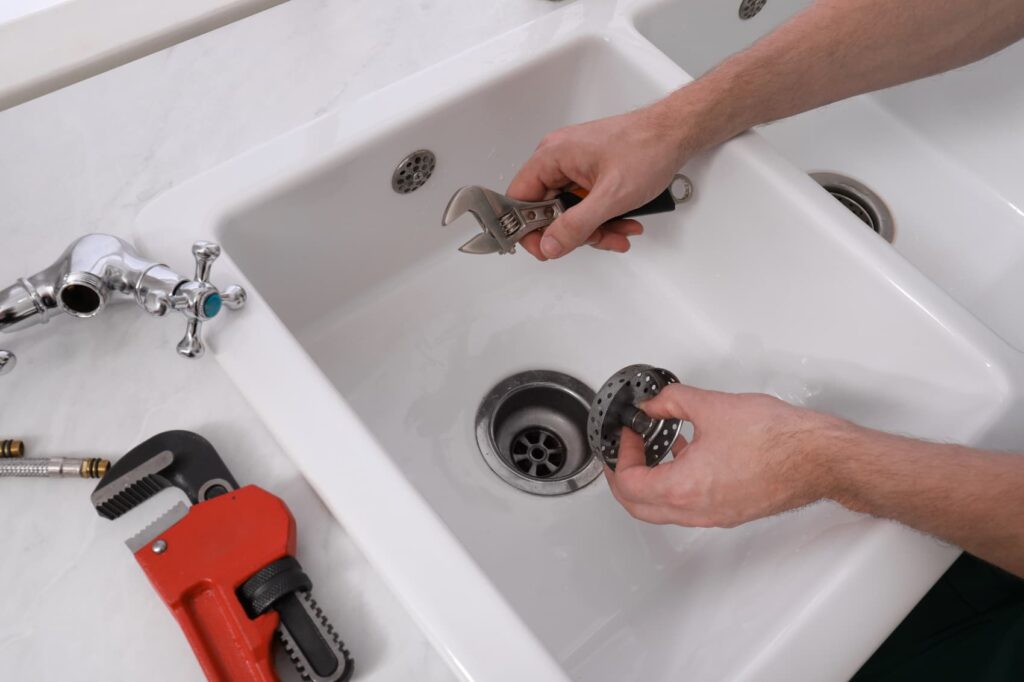
Before replacing a kitchen or bathroom faucet, it is generally helpful to have the following tools and supplies on hand:
An adjustable wrench
A plumbing wrench or faucet wrench
A screwdriver
A bucket
Cloths
Thread seal tape, when required
The new faucet and its connection fittings
The tools you need may vary depending on the existing faucet model and the configuration of the plumbing connections.
Step 1: Turn Off the Water Supply
Before removing the old faucet, shut off the water supply. The shut-off valves are generally located beneath the sink or basin.
Turn off both the hot and cold water valves, then open the faucet to release any remaining pressure in the pipes.
Next, place a bucket beneath the connections to catch any water that may still be in the lines.
Step 2: Remove the Old Faucet
Once the water supply is shut off, disconnect the hot and cold water supply lines connected to the faucet.
Next, remove the hardware securing the faucet beneath the sink or basin. Depending on the model, this may involve nuts or a specific mounting system.
Once the mounting hardware has been removed, the faucet can generally be lifted out from above.
Take this opportunity to clean the surface around the mounting hole before installing the new faucet.
Step 3: Install the New Faucet
Position the new faucet in the designated opening. Make sure it is correctly aligned and that the sealing gasket is installed according to the manufacturer’s instructions.
Beneath the sink or basin, install the mounting hardware and tighten it enough to hold the faucet securely in place.
Avoid overtightening the connections, as this could damage certain components.
Step 4: Connect the Water Supply Lines
Connect the hot and cold water supply lines to the new faucet. Check that each line is connected to the correct fitting and that the connections are secure.
Some faucet models come with flexible supply lines included. In all cases, it is important to follow the manufacturer’s recommendations for connections and sealing.
Step 5: Turn the Water Back On and Check the Connections
Once the new faucet is installed, gradually reopen the water supply valves. Carefully inspect the connections beneath the sink or basin and check for leaks when the faucet is turned on. Run both hot and cold water to make sure everything is working properly.
A small leak may only appear once water pressure has been restored to the pipes. That is why it is important to check all connections after turning the water back on.
How to Replace a Kitchen Faucet
Replacing a kitchen faucet involves essentially the same steps as replacing a bathroom faucet. The main difference lies in the sink configuration and the type of faucet you choose.
Some kitchen faucets include features such as a pull-out sprayer, a retractable spray head, or additional components that require extra connections.
Before replacing your kitchen faucet, check the number of available mounting holes in your sink and make sure the new model is compatible.
How to Replace a Bathroom Faucet
When replacing a bathroom faucet, you also need to check the basin configuration. Some models require a single mounting hole, while others use a two- or three-hole configuration.
You should also consider the amount of space available beneath the basin, especially when the plumbing connections are difficult to access.
If the old faucet is heavily corroded or the shut-off valves themselves have a problem, the replacement may be more complicated than expected.
When Should You Call a Professional?
Replacing a faucet can be relatively simple when the connections are accessible and in good condition. However, professional assistance may be preferable if a shut-off valve is leaking, a fitting is corroded, or a pipe already has an existing problem.
Improper installation can lead to leaks and potentially cause water damage.
At Plomberie Urgence Montréal, our team handles a variety of residential plumbing services in Montreal, including faucet replacement and installation, bathroom plumbing, and other routine and emergency plumbing services in Montreal.
How to Replace a Kitchen or Bathroom Faucet
Whether you want to replace a kitchen faucet to update your sink or replace an outdated or faulty bathroom faucet, careful installation is essential.
The process involves shutting off the water, removing the old faucet, installing the new model, connecting the supply lines, and carefully checking for leaks once the water is turned back on.
If the connections are difficult to access, damaged, or already leaking, hiring a professional can help ensure the faucet is replaced safely and prevent problems caused by improper installation. Contact us.