
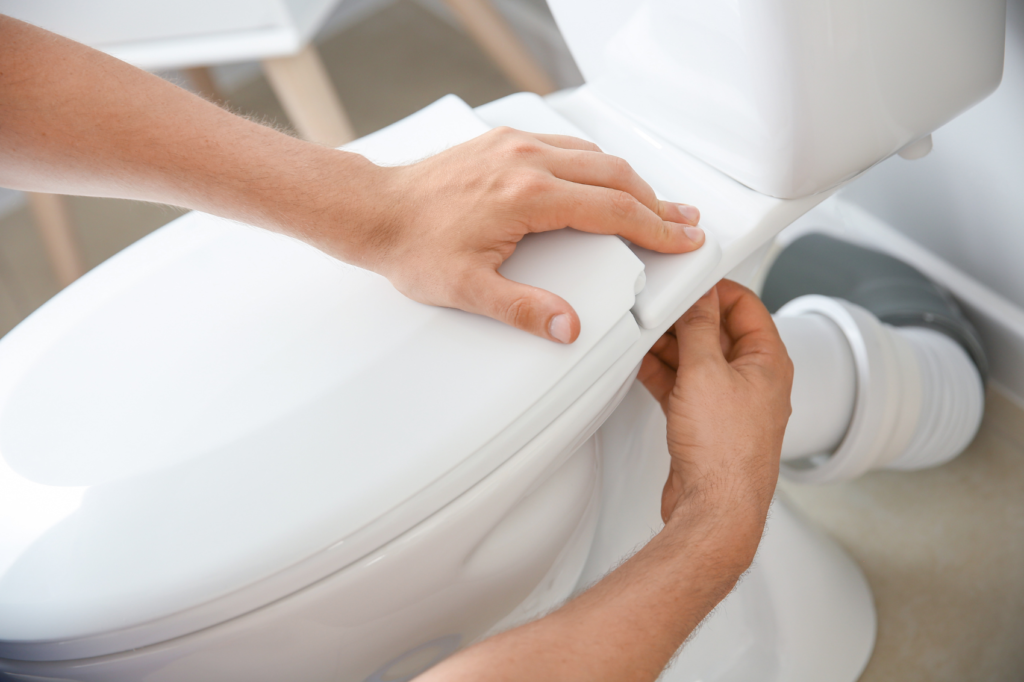
Installing a Basement Toilet: What You Need to Know
Installing a toilet in the basement is a very common project when finishing or renovating additional living space. However, unlike a standard installation, a basement toilet installation comes with important technical considerations related to gravity, plumbing, and drainage systems. In many cases, hiring a plumber in Montreal is strongly recommended to ensure a safe, compliant, and long-lasting installation.
Why Is Installing a Basement Toilet More Complex?
In a typical home, wastewater drains naturally through gravity. However, a basement is usually located below the level of the main sewer line.
This means that when you want to install a basement toilet, you often need a system capable of pumping wastewater upward toward the main drainage system.
The main challenges include:
- lack of natural slope for drainage;
- risk of sewage backflow;
- limited space for plumbing;
- compliance with municipal plumbing codes.
Solutions for Installing a Basement Toilet
There are several ways to complete a successful basement toilet installation, depending on your home’s layout and plumbing system.
1. Toilet With a Sewage Ejector Pump
This is the most common solution. A sewage ejector pump or grinder pump system allows you to:
- break down waste;
- pump wastewater upward;
- ensure proper drainage.
This system is ideal when the main plumbing line is located above basement level. At Plomberie Urgence Montréal (PUM), we also handle complete bathroom plumbing installations.
2. Macerating Toilet System
A macerating toilet is a compact alternative. It grinds waste and pushes it through a small discharge pipe. This option is often chosen when:
- space is limited;
- plumbing work needs to be minimized;
- a quick installation is preferred.
3. Connecting to Existing Plumbing
In some situations, it may be possible to connect directly to the home’s main drain line if the plumbing layout allows it. However, this solution is less common and depends heavily on the structure of the property.
Steps for Installing a Basement Toilet
A proper basement toilet installation must be carefully planned to avoid future plumbing problems.
The main steps generally include:
- evaluating the existing plumbing system;
- choosing the proper system (ejector pump, macerator, or direct connection);
- excavating or opening the basement floor if required;
- installing drainage pipes;
- connecting the pumping system;
- testing for leaks and proper operation.
Mistakes to Avoid
Installing a basement toilet without proper planning can lead to several serious problems, including:
- poor wastewater drainage;
- sewer backups;
- persistent odors;
- foundation damage;
- non-compliance with local plumbing codes.
This is why professional installation is highly recommended.
When Should You Call a Plumber?
You should contact a plumber for a basement toilet installation if:
- there is no natural gravity drainage available;
- you need a sewage ejector pump;
- you are fully renovating your basement;
- you want to avoid sewer backup risks.
A residential plumber in Montreal can assess your home and recommend the best plumbing solution for your situation.
Conclusion
Installing a basement toilet is an excellent way to maximize living space, but it requires proper plumbing expertise. Choosing the right drainage system is essential to ensure reliable and trouble-free operation.
For a safe, compliant, and durable installation, trust Plomberie Urgence Montréal (PUM), your plumbing expert in Montreal, Laval, and the North Shore. Our team provides fast service for all residential plumbing projects, including basement bathroom installations. Contact us today for a quote or rapid service.urable, faites appel à Plomberie Urgence Montréal (PUM), votre expert en plomberie à Montréal, Laval et sur la Rive-Nord. Notre équipe intervient rapidement pour tous vos projets de plomberie résidentielle, incluant les installations au sous-sol. Contactez-nous dès aujourd’hui pour une soumission ou une intervention rapide.